
Teenage Dating: Love, Friendship & Healthy Digital Boundaries
Teenage Dating is about much more than romance. It’s how young people explore love, friendship, and trust, and begin learning what healthy digital boundaries look like in a world where many relationships now start online. Around Valentine’s Day, when conversations about relationships naturally come up, these experiences often play out across social media, messaging apps, and digital platforms, sometimes long before a face-to-face meeting happens.
Constant digital connection can make relationships feel more intense and harder to step away from. Messages, likes, and online attention blur boundaries and can quietly add pressure, especially when emotions are still developing and everything feels visible.
This article looks at the real risks and emotional challenges of teenage dating in the digital age, how families can support healthy relationships without fear or overcontrol, and how tools like Mobicip can help encourage safer, more balanced online interactions.

What Are the Key Risks of Teenage Dating?
Teenagers date because their brains and emotions are changing in powerful ways. As puberty begins, hormones linked to attraction and bonding increase, making first crushes feel exciting and deeply absorbing. Brain research shows that when teens fall in love, emotional and reward centres are highly active, while the prefrontal cortex, the part responsible for judgment and impulse control, is less engaged. As a result, teenage dating is often shaped more by feeling than careful reflection.
Because of this, the risks of teenage dating tend to be subtle and gradual rather than dramatic. Common challenges include:
- Relationships developing quickly before emotional readiness fully catches up
- Unclear personal or digital boundaries, especially around communication
- Feeling pressure to stay constantly available through messaging or social media
- Misunderstandings or jealousy that are intensified online
- Finding it hard to process disappointment when early relationships change or end
Understanding these patterns helps explain why where and how teens connect matters, especially when dating begins online. The platforms teens use and the emotional landscape they navigate both play an important role.
Common Apps Teens Use for Dating Online
When it comes to teenage dating, many connections don’t start on platforms labelled as dating apps. Instead, relationships often grow out of everyday social spaces where teens already spend time chatting, sharing content, and building friendships. What begins as a casual interaction can gradually become more personal, sometimes without teens fully realising the shift.
Common platforms where teen dating connections often begin include:
- Instagram & Snapchat, Direct messages, private stories, and disappearing chats make conversations feel personal and low-pressure
- TikTok, Comments can turn into direct messages, with shared interests quickly leading to private conversations
- Discord, Private servers and one-on-one chats allow ongoing interaction around shared hobbies or communities
- Teen-friendly dating apps, Apps like Yubo or Spotafriend, which are designed for under-18 users and focus on meeting peers
While some of these platforms offer safety settings, teens may still encounter strangers, fake profiles, or subtle pressure to move conversations to more private or less moderated spaces.
Emotional Challenges in Teenage Dating
Beyond safety concerns, teenage dating can sometimes place a quiet emotional strain on young people, especially when relationships unfold alongside constant digital communication. Messaging apps and social platforms make it easy to stay connected, but they can also make it harder to step back, reflect, or set healthy limits.
Some of the common emotional challenges include:
- Feeling pressure to reply immediately, for example, worrying that a delayed response will upset a partner or be taken as a lack of interest
- Confusing attention with affection, such as assuming frequent texts or comments automatically mean care or commitment
- Experiencing jealousy linked to likes, follows, or streaks, feeling uneasy when a partner interacts with others online or breaks a daily messaging streak
- Developing emotional dependence through nonstop messaging, relying on constant digital contact for reassurance or mood support
For teens who are still developing emotional regulation, these patterns can amplify misunderstandings and make disagreements or breakups feel more intense than they might otherwise be. With the right guidance, these experiences can also help teens learn what healthy communication and boundaries look like.
How Can Parents Support Teenage Dating in the Digital Age?
Teenage dating can bring up a mix of emotions for families—curiosity, nostalgia, uncertainty, and sometimes worry. Many parents remember their own first crushes, but today’s relationships unfold in very different ways, often across screens as much as in person. That can make it hard to know when to step in, when to step back, and how to stay involved without overstepping. The good news is that parents don’t need all the answers. What matters most is creating a sense of trust, keeping conversations open, and offering support that grows along with a teen’s independence.
How Mobicip Helps Parents Keep Teens Safe in the Age of Online Dating
When dating starts online, staying informed matters—but so does respecting privacy. Tools like Mobicip help parents strike that balance. Instead of reading every message or hovering over screens, parents can get a broader picture of what’s going on.
With Mobicip, parents can:
- See patterns in app usage without checking individual conversations
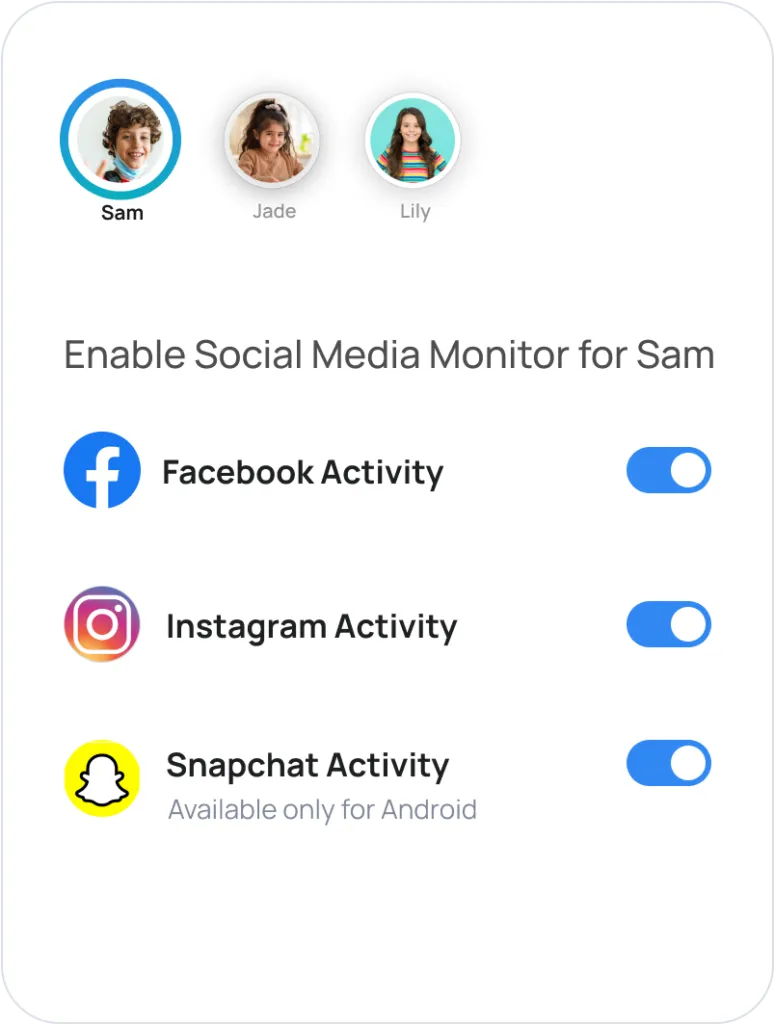
- Set content filters that match a teen’s age and maturity
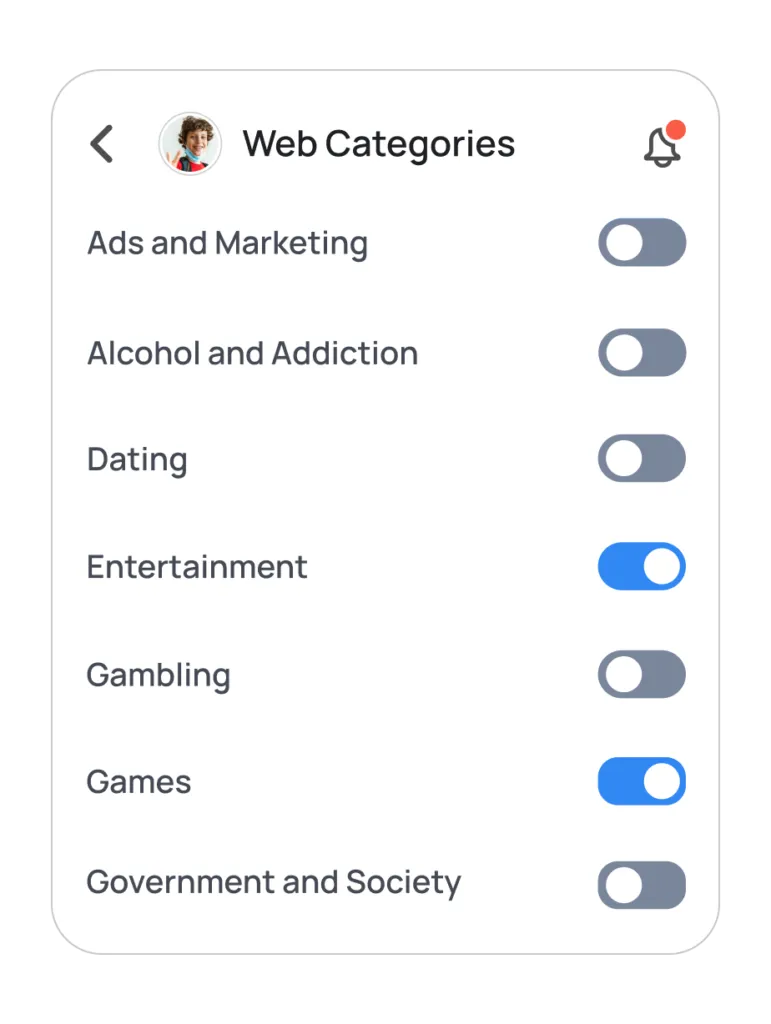
- Get alerts when something potentially risky shows up

- Encourage openness and accountability rather than secrecy
This kind of quiet support is especially helpful when teens are still learning to spot red flags for themselves.

Healthy Digital Boundaries for Teenage Dating
One of the most useful things parents can do is help teens think about boundaries—especially digital ones. Online spaces can make it easy to overshare or stay constantly connected without realising the impact.
Healthy digital boundaries might look like:
- Taking time before sharing personal information
- Keeping conversations on the same platform until there’s real trust
- Knowing when it’s okay to pause or step back from constant messaging
- Understanding that respect and privacy apply to everyone involved
These boundaries are easier to learn when parents model them through open, judgment-free conversations about consent, respect, and emotional wellbeing.
Talking to Teens About Dating Without Shutting Them Down
Teenage dating conversations don’t need to turn into lectures. In fact, they work best when they feel like ongoing, two-way discussions. Teens are far more willing to open up when they feel listened to rather than judged.
Simple, open-ended questions can guide these discussions and help teens think for themselves:
- “What do you think makes a relationship feel healthy?” – Encourages teens to reflect on values like respect, trust, and communication, instead of focusing only on romance or social pressure.
- “How can you tell when someone respects your boundaries?” – Helps teens recognise red flags early and understand their own limits, building self-awareness and assertiveness.
- “What would you do if an online conversation made you uncomfortable?” – Prepares teens to problem-solve in real situations and know when it’s okay to seek help.
These kinds of questions build confidence and critical thinking, helping teens make safer, more thoughtful choices, without creating fear or shutting down the conversation.

Preparing Teens for Real-World Dating Experiences
Even when relationships begin online, they often move offline at some point. Thinking ahead can help teens feel more confident and less overwhelmed when that transition happens. Simple, practical conversations before a first meeting can make a meaningful difference.
It helps when teens understand:
- Why meeting in public places matters. Choosing cafés, malls, or group settings can help them feel comfortable and safe.
- How to trust their instincts if something feels off. Discomfort is a valid signal, not something to ignore or explain away.
- When it’s okay to involve a trusted adult. This is particularly important if plans change, pressure builds, or a situation feels confusing
- That saying no, or changing their mind, is always allowed. Even at the last minute, without owing anyone an explanation
Teenage dating works best when teens know they don’t have to handle everything on their own. When support is steady and judgment-free, asking for help feels like a safe option rather than a risky one.
Take Away
Teenage dating is a journey full of firsts—first crushes, first sparks of connection, and first lessons in navigating emotions and boundaries. While it can feel unpredictable at times, it’s also a natural part of growing up, offering opportunities for self-discovery, empathy, and learning how to communicate with others. Around Valentine’s Day, these experiences can feel especially meaningful, a chance for teens to explore friendship, affection, and the excitement of mutual interest.
At its best, teenage dating becomes a practice ground for respect, trust, and emotional resilience—skills that extend far beyond romance. By approaching these experiences with warmth, understanding, and patience, families can celebrate the joys of first connections while helping teens grow into confident, thoughtful individuals who know how to nurture relationships safely in the real world.
Frequently Asked Questions
1. Is teenage dating safe?
Teenage dating can be safe when young people are guided to build healthy relationships and understand boundaries—both online and offline. It’s important for teens to communicate openly, set personal limits, and use trusted platforms or apps. Parents can support safe teenage dating by maintaining conversations about respect, consent, and emotional wellbeing while giving teens space to navigate their relationships.
2. What are the risks of online dating for teens?
Online dating for teens carries risks such as encountering strangers, fake profiles, or inappropriate content. Teens may also face emotional challenges like jealousy, pressure to respond immediately, or confusing attention with affection. Learning to set healthy digital boundaries, recognize red flags, and communicate openly helps reduce these risks while supporting positive experiences in teenage dating.
3. What are some of the commonly used teenage dating sites?
Teens sometimes explore dating through sites designed specifically for young users. Examples include Yubo and Spotafriend, which focus on safe peer connections for under-18 users. These platforms provide moderated spaces for teens to meet friends or potential romantic interests while offering some safety tools like content filters and reporting options.
4. What are some of the commonly used teenage dating apps?
Many teens start connections through social platforms rather than dedicated dating apps. Popular apps include:
- Instagram & Snapchat – Direct messaging, private stories, and disappearing chats
- TikTok – Comments that can turn into personal DMs
- Discord – Private servers and one-on-one chats
- Teen-friendly apps like Yubo or Spotafriend – Designed for safe teen interactions
These apps allow teens to socialize and explore relationships, but it’s important they understand safe online practices and set digital boundaries.