Holiday Scams Targeting Kids: What Parents Must Know in 2025
As holiday scams targeting kids grow more sophisticated in 2025, parents need to stay extra mindful throughout the festive season. As children spend more time online, shopping for gifts, browsing holiday content, or playing seasonal game events, scammers see a perfect opportunity to exploit their curiosity and excitement.
This surge in kid-focused scams means families need stronger awareness and smarter digital habits than ever before. Criminals now use AI-written messages, deepfake influencers, and perfectly cloned shopping pages to trick young users into giving away personal information or clicking harmful links. Even popular platforms like Roblox, YouTube, and TikTok have seen a rise in holiday-themed fraud attempts.
The good news? Parents can absolutely stay ahead of these risks. With the right conversations, clear boundaries, and reliable parental-control tools like Mobicip, it’s possible to keep the magic of the season intact without letting scammers slip down the chimney. Here’s what every parent needs to know to protect their child from holiday scams in 2025.
Holiday Cybercrime Is Now an Automated Industry
As holiday shopping accelerates across Thanksgiving, Black Friday, Cyber Monday, and Christmas, cybercriminals are scaling up their operations with more automation, more AI, and more ways to exploit distracted consumers.
Fortinet reports an explosion of new holiday-themed and shopping-related domains created specifically for scams. Over 18,000 holiday-style websites and 19,000 e-commerce-themed domains were registered in the months leading up to the season, thousands of them malicious. These sites mimic “Black Friday,” “Christmas Deals,” or “Flash Sale” pages to steal credentials, harvest payment information, install malware, or run fake storefronts. The dark web is also flooded with 1.57 million stolen e-commerce credentials, active session cookies, and stored payment data, making account takeovers faster and easier.
Darktrace recorded a 620% surge in phishing attacks in November alone, targeting holiday shoppers, with scammers impersonating brands like Amazon, Walmart, and Best Buy. Thanks to AI, these emails no longer look suspicious. They mirror real branding, language, and timing perfectly.
While this research focuses on consumers and retailers, the implications for families are clear: during the holidays, criminals ramp up operations, and kids browsing for gifts or deals are caught in the same web of highly sophisticated scams. Parents need stronger awareness, strict device safeguards, and reliable parental controls to protect young users in this increasingly automated threat landscape.
Holiday scams targeting kids and why they are more vulnerable
The holiday season creates a perfect storm for online risks because kids spend more time on their devices, get excited about gifts, and encounter a flood of festive content that can blur their judgment. Scammers know this and they deliberately design holiday-themed traps that look fun, friendly, and harmless. With AI now making fake ads, apps, and messages almost indistinguishable from real ones, children are more likely to click first and think later.
Here’s why kids are especially at risk:
- More screen time: School breaks, travel days, and holiday downtime mean kids are online for longer stretches, increasing exposure to unsafe sites, ads, and links.
- Gift excitement makes them more impulsive: Offers like “Free iPhone!” or “Limited-edition toy for 90% off!” feel believable when kids are eagerly waiting for presents.
- Peer pressure and online holiday events: Friends share “deals,” challenges, and game invites, and kids often join in without questioning whether the links are real.
- AI-powered scams look incredibly realistic: Scammers now use AI to create polished holiday ads, fake game currencies, cloned websites, and messages that mimic trusted brands, making it harder for kids to spot danger.
This combination makes children significantly more vulnerable and calls for closer parental oversight during the festive season.
Holiday scams targeting kids and the biggest threats in 2025
Scammers know exactly what kids love during the holidays and they use that excitement to lure them into clever, polished traps. Here are the most common holiday scams targeting kids in 2025.
Holiday scams targeting kids and fake giveaways or contests
Scammers run eye-catching holiday giveaways that seem harmless at first glance. Many mimic the style of popular influencers or gaming creators, making them look legitimate.
- “Win a PS6!”: These giveaways ask kids to enter their email, phone number, or even address, handing valuable personal information straight to scammers.
- Influencer-style pages: Fake accounts copy the photos, tone, and branding of real creators to trick kids into trusting them.
Holiday scams targeting kids and fake game currency or in-app deals
Games are a huge part of children’s holiday screen time, and scammers take advantage of this by offering impossible discounts on virtual items.
- Discounted Robux, V-Bucks, or rare skins: Kids see these deals as “too good to miss,” but clicking usually leads to data theft or malware.
- Credential-stealing phishing sites: These sites mimic real login pages and trick kids into entering their game usernames and passwords.
Holiday scams targeting kids and the rise of AI-generated shopping scams
AI has made scam websites and ads more convincing than ever; so convincing that even adults get fooled.
- Hyper-realistic toy ads: These ads promote hot new toys or holiday bundles that don’t exist, leading kids to fake stores.
- Fake tracking pages and support: Scammers provide bogus order confirmations and tracking links to keep kids (and parents) believing the purchase is real.
Holiday scams targeting kids and the dangers of fake livestreams
Livestreaming becomes a major scam hotspot during the festive season.
- Streamers pretending to give away gifts: They ask kids to “enter” by sharing personal information.
- Deepfake influencers: AI-generated faces and voices promote fraudulent links that look authentic.
“Secret Santa” Social Media Challenges
These holiday challenges seem fun but often hide dangerous requests.
- Kids asked for personal details: Addresses, photos, or even family info get shared publicly or with scammers.
Charity & Donation Scams
Holiday kindness becomes a tool for exploitation.
- Fake holiday charity sites: Kids feel moved to “help,” not realizing the donation links are fraudulent.
Holiday scams targeting kids and the top red flags for parents
Kids don’t always recognize when something feels “off,” especially during the excitement of the holidays. Teaching them a few simple warning signs can help them pause before clicking, sharing, or buying. Here are the key red flags to holiday scams targeting kids in 2025
- Too-good-to-be-true giveaways: Anything promising a free iPhone, PS6, or unlimited game currency is almost always a scam.
- Countdown timers or urgent messages: Scammers use pressure tactics like “Respond in 5 minutes!” to rush kids into bad decisions.
- Requests for personal information: No real game, influencer, or retailer will ask kids for emails, passwords, phone numbers, or OTPs through random links.
- Links sent via DMs: Even if it appears to come from a friend, their account may have been hacked.
- Payments using gift cards or cryptocurrency: These methods are untraceable—scammers prefer them for a reason.
- Odd spelling, strange formatting, or grammar mistakes: AI has improved scam quality, but many fake pages still have subtle errors kids can spot if they know what to look for.
How Parents Can Protect Kids Online
Keeping kids safe during the holidays doesn’t require tech expertise—just a mix of clear communication, sensible limits, and the right tools. Here’s how parents can stay ahead of evolving scams while giving kids the freedom to enjoy the festive season online.
Talk Early and Often
Starting conversations early helps kids recognize danger before it appears.
- Explain in simple terms what scams look like: Use real examples so kids can understand how scammers trick people.
- Encourage kids to ask before clicking: Make it normal for them to check with you if something feels “too urgent” or “too exciting.”
Set Digital Boundaries
A few limits can greatly reduce the chances of falling for scams.
- Limit unknown websites: Kids should only browse trusted platforms and verified stores.
- No unsupervised purchases or logins: Require parental approval for anything involving payments or new accounts.
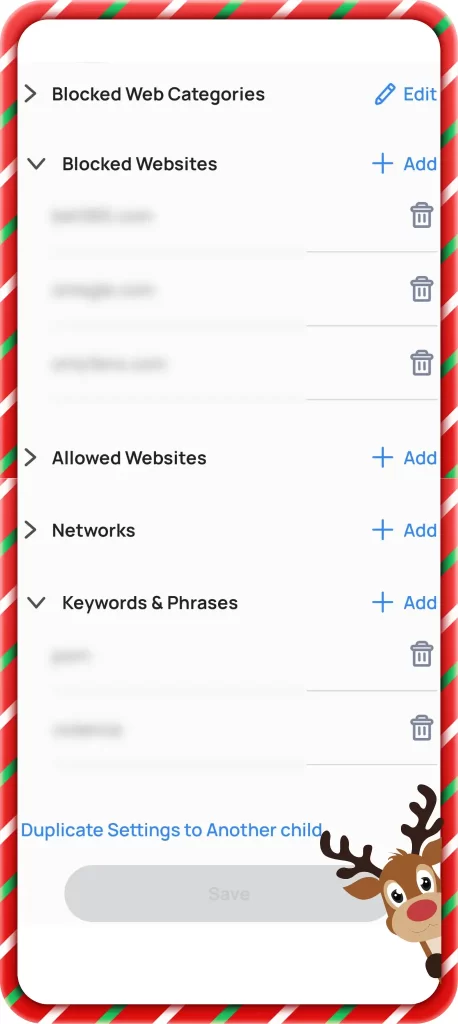
Use Parental Controls (Mobicip Makes This Easy)
Mobicip adds an essential layer of protection, especially when kids encounter hidden risks.
- Block suspicious websites with Mobicip’s smart filters.
- Monitor app activity to catch unsafe downloads early.
- Receive instant alerts when kids try accessing risky links.
- Set screen time schedules to prevent late-night browsing, when kids are less cautious.
- Track social media usage to catch harmful challenges or unsafe DMs.
- Enable safe search & YouTube filtering to block scammy ads and misleading content.

Secure All Family Devices
A few technical safeguards go a long way.
- Update all systems (iOS, Android, Windows) regularly.
- Enable two-factor authentication on game, email, and social accounts.
- Use strong, unique passwords and remind kids not to share them with friends.
What To Do if Your Child Already Fell for a Scam
If your child has clicked something suspicious or shared information by mistake, don’t panic—these situations happen to many families, especially during the busy holiday season. What matters most is responding calmly and taking a few simple steps to set things right.
- Kids often feel embarrassed or scared after realizing they were tricked. Let them know they did the right thing by telling you.
- Update their game, email, or social account passwords to prevent anyone from accessing their information.
- Contact your bank or game platform if there were payments. Most services can freeze transactions or reverse unauthorized purchases.
- Report the scam to the platform. Whether it happened on Instagram, TikTok, Roblox, or YouTube, reporting helps remove the scam and protects others.
- Check the device for malware. A quick scan ensures there’s nothing harmful running in the background.
- Use Mobicip to strengthen controls going forward. Tightening filters, alerts, and screen time rules can help prevent similar incidents in the future.
A Quick Holiday Safety Checklist (Downloadable Option)
Here’s a clean, easy-to-use checklist parents can follow during the holiday season:
- Screen time limits are set
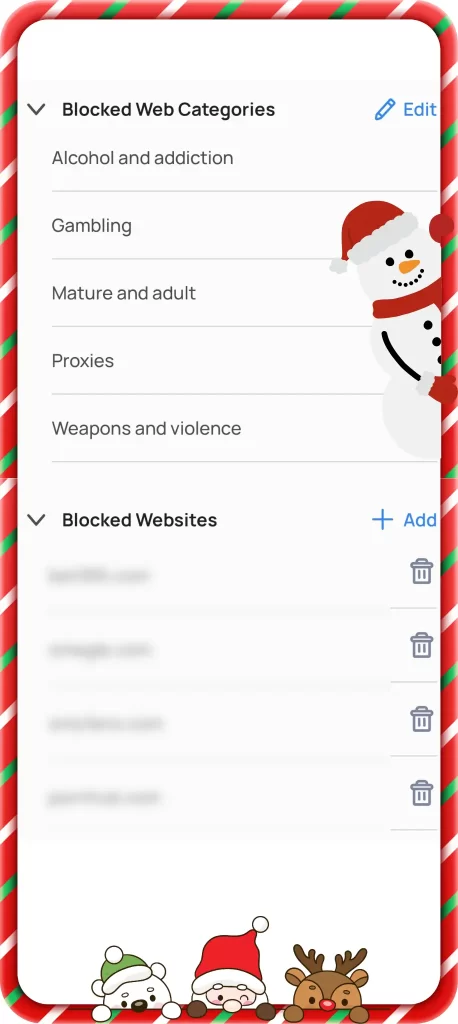
- Unknown links are blocked or avoided
- All purchases require parental approval
- Mobicip filters, monitoring, and alerts are enabled
- All devices are updated (iOS/Android/Windows)
- Kids reminded not to share personal details online
A Holiday Message of Safety & Joy
The holiday season is magical. A little awareness goes a long way in keeping that magic alive. With a few simple habits and the right protective tools, parents can help kids enjoy the online world without falling for 2025’s newest scams.
So here’s to a season filled with laughter, learning, and safe screen time. Stay aware, stay prepared, and keep the spirit bright.
Ho ho ho and happy holidays!