
What Are Eco-Friendly Tech Habits for Kids and How Can Families Practice Them During Earth Month?
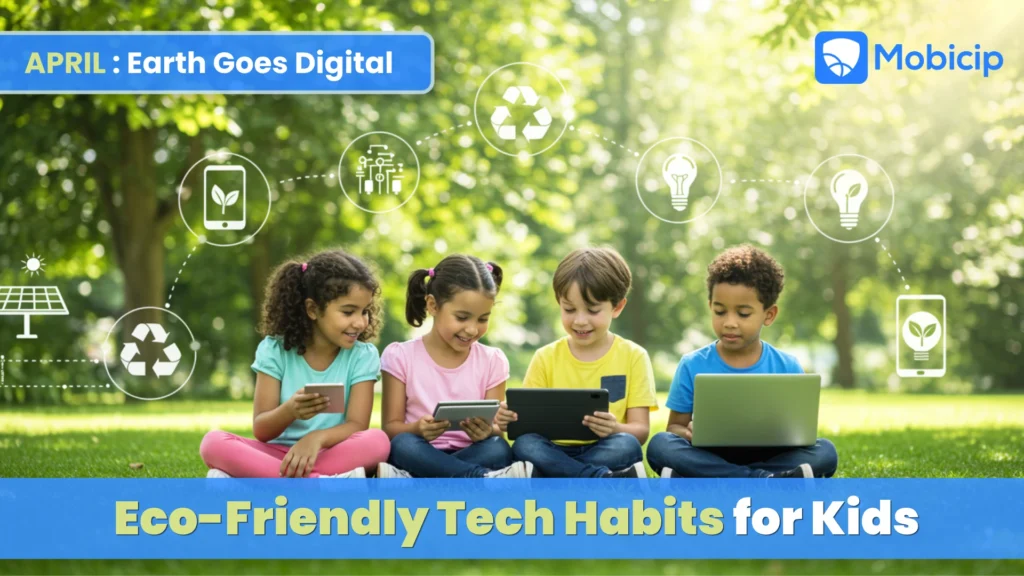
Eco-friendly tech habits for kids involve using digital devices in ways that reduce energy use, minimize e-waste, and promote sustainability. During Earth Month, families can teach children to limit unnecessary screen time, recycle old devices, and adopt mindful digital practices that support both environmental awareness and responsible technology use.
This Earth Month, families can help raise environmental awareness among kids by teaching them eco-friendly tech practices, which can make digital activities more environmentally sustainable.
Earth Month, celebrated during the month of April, has been a time when individuals take steps to recycle, conserve, and make environmentally conscious decisions. This year, with digital activities playing a vital part in our lives, we can also teach our kids how to use digital tools in a more eco-friendly manner.
In this post, we’ll share tips, and provide pointers to kid-friendly apps for celebrating Earth Month digitally, helping children build eco-conscious tech habits that last far beyond April. We will also discuss how Mobicip can help children develop eco-friendly tech habits.
What Is the Connection Between the Environment and Digital Life?
Our daily digital activities like using tablets, smartphones, and computers may seem harmless, but they have a significant impact on the environment. Every device consumes energy, and the production, use, and disposal of electronics contribute to e-waste and carbon emissions. As children spend more time online for learning, gaming, and entertainment, teaching them about the environmental side of digital life becomes increasingly important.
Here’s how digital life and the environment are connected:
- Energy Consumption: Streaming videos, online gaming, and cloud storage all require electricity, which often comes from non-renewable sources.
- E-Waste Generation: Old devices and chargers discarded improperly can release harmful chemicals into the environment.
- Resource Use: Manufacturing devices consumes water, metals, and rare minerals.
- Digital Habits Impact Behavior: Mindful tech use can reduce energy waste and promote sustainability.
By understanding these links, kids can start adopting eco-friendly tech habits that make a real difference for the planet.
How Can Kids Use Technology in an Eco-Friendly Way During Earth Month?
Kids can use technology more sustainably by limiting unnecessary screen time, turning off devices when not in use, choosing energy-efficient settings, and reducing digital clutter. Small daily habits, such as taking breaks and using devices mindfully, can significantly reduce energy consumption and encourage responsible digital behavior.
Teaching children eco-friendly tech habits doesn’t have to be complicated. Small, simple changes in how they use devices can make a big difference for the planet while also encouraging sustainable screen time. Here are practical steps families can take to make digital life greener:
Limit Unnecessary Screen Time
- Set clear schedules for gaming, learning, and entertainment.
- Encourage breaks between screen sessions to save energy and reduce eye strain.
- Turn off devices when not in use to prevent idle energy consumption.
Choose Energy-Efficient Devices
- Look for devices labeled with energy-saving certifications.
- Prefer tablets or laptops that use less electricity than older models.
- Adjust device settings like brightness and power-saving modes to reduce energy use.
Digital Decluttering
- Delete unused apps, files, and downloads to free up storage and reduce digital “waste.”
- Teach kids the value of keeping only what is necessary, promoting minimalism in both digital and physical spaces.
Recycle Old Gadgets
- Donate old devices to schools or community programs.
- Use certified e-waste recycling programs to dispose of electronics safely.
- Explain to kids how recycling helps recover valuable materials and reduces environmental harm.
What Are the Best Eco-Friendly Apps for Kids to Learn Sustainability?
Eco-friendly apps for kids include educational games, recycling tools, and habit trackers that teach sustainability through interactive learning. These apps help children understand environmental responsibility while encouraging eco-conscious behavior through activities like conservation challenges, recycling tasks, and mindful digital usage.
Introducing children to environmentally friendly apps for kids is a fun and practical way to reinforce eco-conscious behavior. These tools combine learning with interactive play, helping kids develop a green digital lifestyle while understanding the importance of sustainability. Here are some categories and examples to get started:
Educational Green Games
- EcoKids– Engages kids in missions like planting trees and cleaning oceans. Suitable for ages 6–12.
- Forest Guardians – Players care for virtual forests, learning about ecosystems and conservation. Ages 8+.
Recycling & Sustainability Apps
- Recycle Roundup – Teaches sorting, recycling, and waste reduction through mini-games. Ages 7–14.
- Go Green Challenge – Daily eco-tasks encourage sustainable habits like reducing energy use or recycling household items. Ages 8+.
Digital Habit Trackers
- Mobicip – A parental control app that tracks and limits screen time, encourages mindful device use, and can help reduce energy waste from unnecessary device usage. Suitable for children of all ages, with customizable settings for different devices.

- Eco Tracker – Allows children to log eco-friendly actions like walking, turning off lights, or using reusable items. Ages 7+.
How Can Mobicip Help Kids Build Eco-Friendly Tech Habits?
Mobicip helps children build eco-friendly tech habits by managing screen time, reducing unnecessary device use, and encouraging balanced digital routines. By limiting idle usage and providing activity insights, it supports mindful technology habits that align with sustainability and environmental awareness.
Mobicip isn’t just a tool for managing screen time, it can also play a role in teaching kids eco-friendly tech habits and supporting a green digital lifestyle. By helping families monitor and guide digital use, Mobicip encourages children to develop mindful, responsible habits that reduce unnecessary energy consumption and digital waste.
Here’s how Mobicip can make a difference:
- Screen Time Management: Limit idle device usage, encouraging children to engage in offline eco-friendly activities like gardening or nature walks.
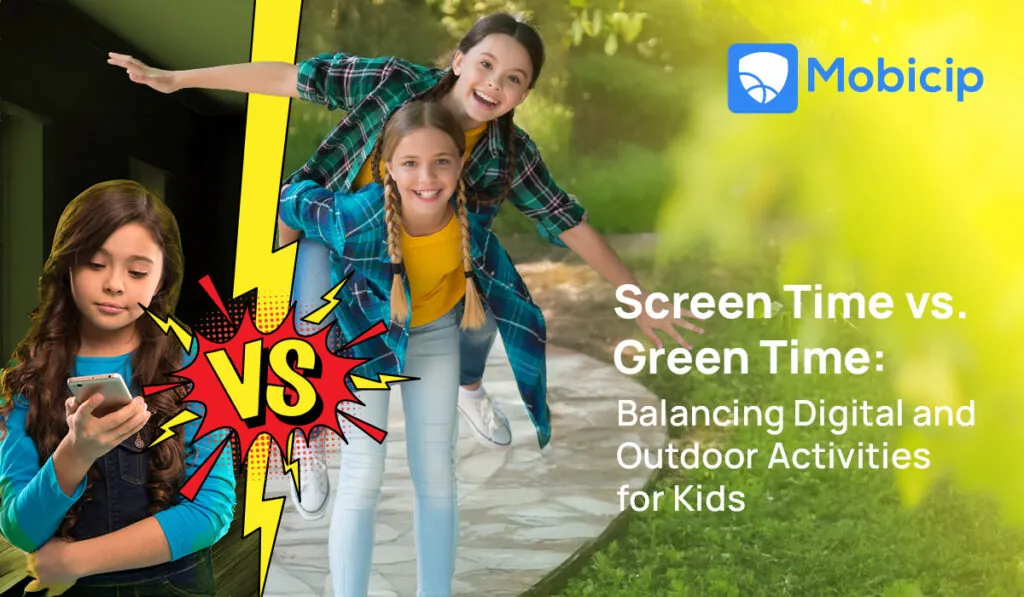
- App & Content Controls: Block apps or games that are resource-heavy or distracting, helping children focus on learning and sustainable digital practices.
- Usage Reports: Parents can review device activity and discuss with children how mindful tech use supports environmental responsibility.
- Customizable Schedules: Create device routines that balance learning, play, and offline eco-conscious activities, reinforcing daily eco-friendly tech habits.

Help Kids Build Green Tech Habits This Earth Month
Parents play a key role in helping children develop eco-friendly tech habits for kids. By modeling sustainable behavior and guiding digital use, families can make environmental responsibility a natural part of everyday life. Here are practical strategies for parents to support digital sustainability while keeping learning and play engaging:
Guidance for Parents to Model Eco-Friendly Habits
- Limit your own screen time to set a positive example.
- Show children how to turn off unused devices and use energy-saving settings.
- Discuss environmental topics during digital activities to reinforce eco-conscious choices.
Foster Family Fun & Engagement This Earth Month
- Play eco-themed educational games together to make learning about sustainability fun.
- Track family eco-actions using apps or journals, linking digital habits to real-world impact.
- Create friendly challenges, like reducing screen time or completing digital sustainability tasks as a family.
Making Digital Learning Environmentally Friendly
- Use cloud-based tools to reduce paper use.
- Choose energy-efficient devices for schoolwork and learning apps.
- Encourage children to organize digital files, delete unused apps, and minimize unnecessary downloads.
Frequently Asked Questions
What is digital sustainability for kids?
Digital sustainability for kids means using technology responsibly to minimize environmental impact. This includes reducing energy consumption, avoiding unnecessary digital clutter, recycling old devices, and choosing eco-conscious apps and online activities. Teaching these habits early helps children become mindful digital citizens.
How can children reduce energy use with tech?
Children can reduce energy use by:
- Turning off devices when not in use
- Adjusting screen brightness and enabling power-saving modes
- Limiting idle screen time and unnecessary online activities
- Using energy-efficient devices whenever possible
Are there apps that teach environmental responsibility?
Yes! There are many environmentally friendly apps for kids, including educational green games, recycling and sustainability apps, and digital habit trackers like Mobicip, which guide children toward mindful tech use while reinforcing eco-conscious behaviors.
How can parents track eco-friendly tech habits?
Parents can track eco-friendly tech habits using:
- Parental control apps like Mobicip to monitor screen time and app use
- Habit-tracking apps or journals for eco-tasks
- Regular discussions with children about how their digital choices impact the environment

Take Away
Celebrating Earth Month doesn’t have to be limited to outdoor activities or classroom projects. By weaving environmental awareness into the digital habits of children, families can create a culture of sustainability that lasts year-round. Encouraging kids to make thoughtful choices about device use, digital content, and online interactions helps them understand that every action, even on a screen, has an impact on the planet.
Involving children in planning, tracking, and reflecting on their eco-friendly tech routines turns sustainability into a collaborative, empowering experience. As technology continues to play a central role in education and entertainment, integrating these practices early can shape lifelong values of responsibility, mindfulness, and care for the environment.