
Keeping Tech in Check During the Holidays: A Parent’s Guide to Balanced Screen Time

Healthy tech boundaries become especially important for kids during the holidays, when routines loosen and screen time naturally creeps up. With schools closed, families traveling, and festive downtime stretching through the day, devices often fill the quiet gaps. A little extra screen time isn’t unusual, but without gentle limits, it can quickly crowd out rest, connection, and offline joy.
The holiday season is meant to feel warm and restorative, not overstimulating. Yet constant notifications, endless scrolling, and late-night screen use can leave children feeling irritable, restless, or disconnected, even amid celebration. For parents, the challenge isn’t about banning screens altogether, but about finding a balance that works for the whole family.
Thoughtful limits, clear expectations, and a focus on meaningful offline moments can make the festive season calmer and more enjoyable. In this guide, we explore simple, practical ways parents can support balanced screen time while still leaving room for fun, flexibility, and connection. We will also see how Mobicip can help.
Why the Holidays Change Tech Use
The holidays naturally change how children use technology, and research backs this up. Researchers from the University of South Australia found clear shifts in children’s habits during school holidays. Children aged 9–10 spent 39 per cent more time on screens during holidays than during the school term.
There are several reasons why screen use tends to increase during this period:
- More unstructured free time, with school and homework temporarily paused
- Relaxed daily routines, including fewer rules around screen use
- Travel and long family gatherings, where devices help occupy quiet moments
- Festive excitement and new gadgets, which can increase interest in screens
- Fewer outdoor or organized activities, especially during busy or crowded days
These changes are not unusual. A rise in screen use during holidays reflects a different rhythm of life, not a failure in parenting. The focus should be on awareness and balance, rather than panic or strict control.
Healthy tech boundaries for kids: Avoiding common holiday traps
Even with the best intentions, it’s easy for screen time to get out of hand during the holidays. Some common pitfalls families notice include:
Healthy tech boundaries for kids to prevent endless scrolling
Screens often fill quiet moments between activities or while waiting. Children may start browsing aimlessly, moving from one app or video to another without realizing how much time has passed. This habit can make it harder for them to engage in offline activities or family interactions.
Healthy tech boundaries for kids: Managing late-night screen use
Staying up to watch videos or play games can disrupt sleep and energy levels. Poor sleep can affect mood, focus, and overall well-being, making it harder for children to enjoy the holiday season. Establishing a consistent bedtime routine helps prevent this trap.
Healthy tech boundaries for kids to protect family time
Screens can unintentionally take the place of meals, conversations, or shared holiday activities. When children are constantly on devices, they may miss out on bonding opportunities and the simple joys of family traditions.
Healthy tech boundaries for kids: Social media and mood changes
Social media can make children feel left out or pressured when seeing friends’ holiday posts. This can lead to feelings of inadequacy, jealousy, or anxiety, especially when children compare themselves to curated images online. Open conversations about what they see can help mitigate these effects.
What “Balanced Screen Time” Really Means
Balanced screen time is not about eliminating devices entirely. It’s about intentional, mindful use that supports a child’s well-being rather than detracting from it. Screens can be valuable tools for learning, creativity, and connection, but unstructured or excessive use can lead to restlessness, anxiety, or disrupted routines. The goal is to help children engage with technology in ways that are meaningful, age-appropriate, and integrated into a varied daily routine.
Key aspects of balanced screen time include:
- Purposeful use: choosing apps, games, or content with a goal, rather than mindless scrolling
- Time limits: ensuring screen time does not replace sleep, meals, physical activity, or family interaction
- Content quality: prioritizing educational, creative, or social activities over passive consumption
- Shared experiences: co-viewing or discussing online content to encourage understanding and critical thinking
By focusing on intentional engagement rather than elimination, parents can help children enjoy screens while maintaining a healthy balance during the holidays and beyond.
Setting Healthy Boundaries Without Conflict
Setting healthy tech boundaries doesn’t have to lead to arguments or tension. Clear expectations and simple rules can make screen time predictable and manageable for both parents and children. Some practical strategies include:
- Clear time windows for screen use – designate specific periods for devices to help children know when they can and cannot use screens.
- Screen-free zones or moments – meals, bedtime, and family outings can be kept device-free to encourage connection and rest.
- Involving kids in setting rules – allowing children to participate in creating boundaries increases buy-in and reduces resistance.
- Technology contract – a family technology contract outlines agreed-upon rules, responsibilities, and consequences in writing, making expectations clear for everyone.
- Consistency over perfection – maintaining routines and expectations is more important than enforcing them perfectly every time.
How Digital Tools Can Support Balance
Digital tools can help parents guide healthy tech use without feeling controlling. Apps like Mobicip act as supportive partners, making it easier to maintain balance during the busy holiday season.
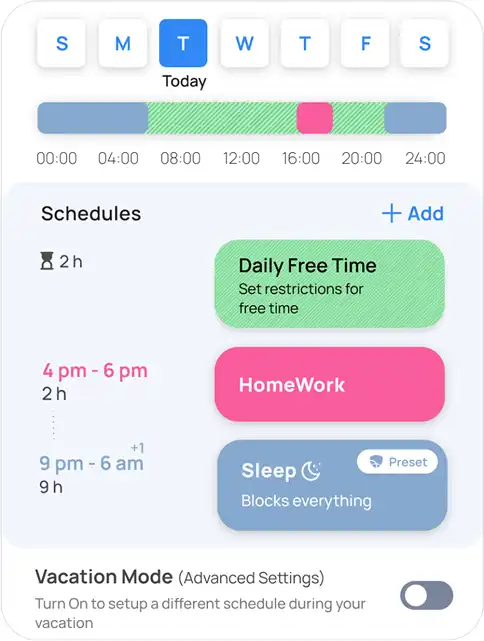
- Screen Time Limits – Parents can set daily or weekly time limits for devices or specific apps. This prevents excessive use, encourages breaks, and ensures children still have time for sleep, meals, and offline activities. Time limits can be adjusted for holidays, weekends, or special occasions, keeping rules flexible yet consistent.
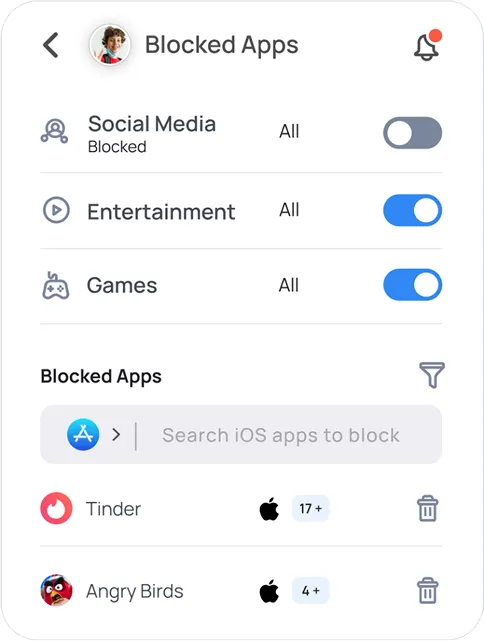
- App Management – This feature allows parents to approve or block apps based on age-appropriateness or educational value. It helps prevent access to apps that may be distracting or unsafe, while still allowing children to explore games, learning apps, or creative tools in a controlled environment.
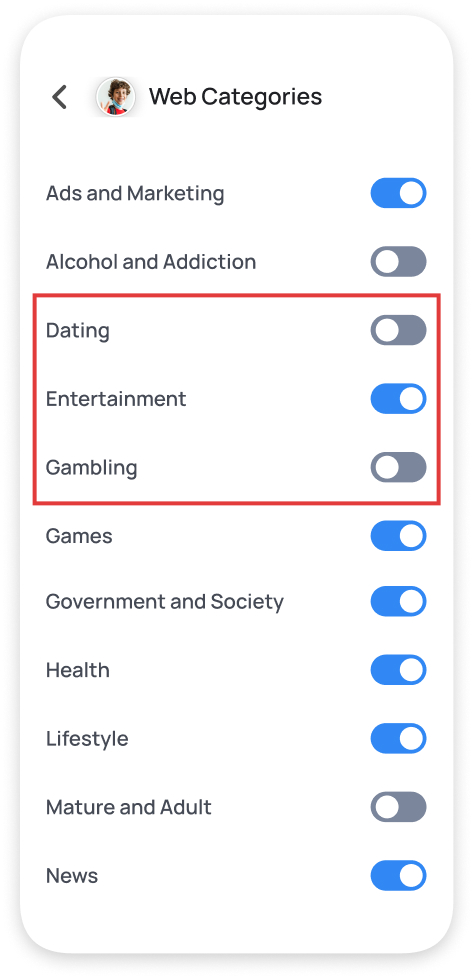
- Content Filtering – Filters ensure children see only safe, age-appropriate content online. This reduces exposure to harmful material, extreme content, or misinformation, while letting kids enjoy videos, games, or educational resources safely.
- Activity Insights – Parents receive reports on daily device usage, app activity, and online behavior. These insights help identify patterns, spot excessive use, and facilitate open discussions with children about healthy habits without resorting to punitive measures.
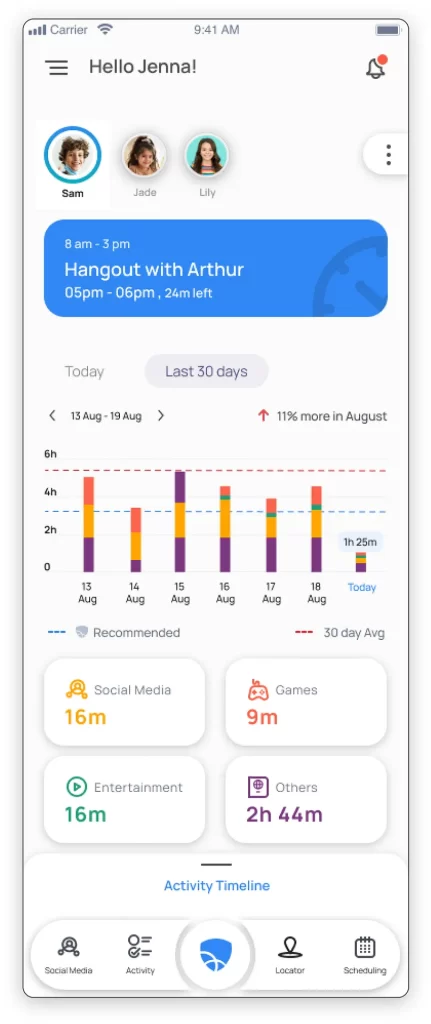
By using these features, digital tools support parents in creating a balanced tech environment, allowing children to enjoy screens responsibly while prioritizing family time, learning, and offline experiences.

Holiday Takeaway
The holidays are meant to be a time of connection, joy, and shared experiences, not perfection. It’s normal for routines to be a little looser and for screen time to fluctuate during this busy season.
Small, thoughtful boundaries around technology can help children enjoy their devices without feeling overwhelmed. Encouraging offline activities, setting clear but flexible limits, and using supportive tools like Mobicip can make screen time manageable and stress-free.
By focusing on balance rather than strict rules, parents can create a calmer, more enjoyable holiday environment for the whole family. The goal isn’t to eliminate screens entirely, but to ensure they complement family time, learning, and rest, so everyone can make the most of the festive season together.