Holiday Social Media Anxiety in Kids: What Parents Need to Know
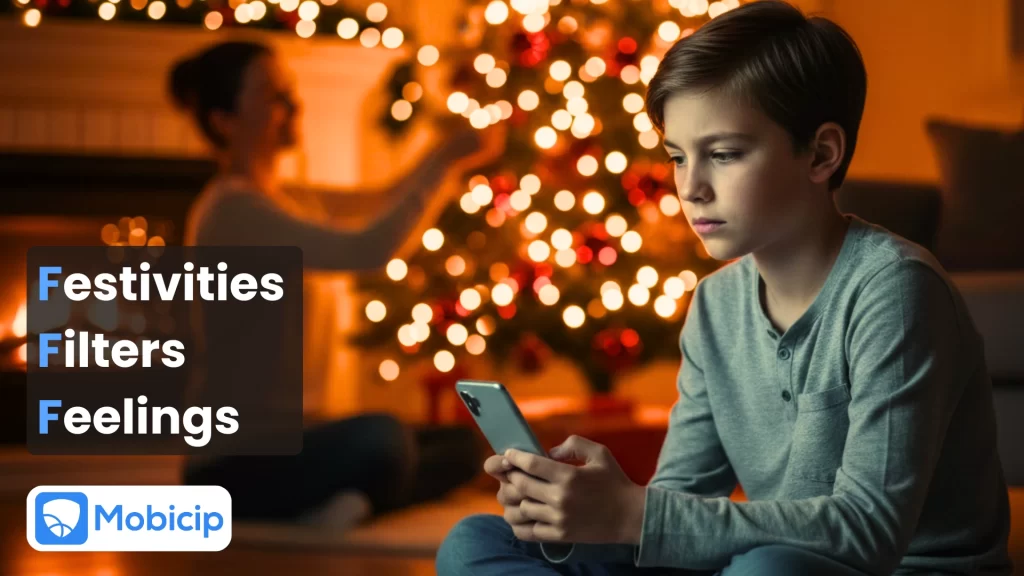
Social media and child anxiety often become more noticeable during the festive season, as celebrations and increased screen time overlap with constant digital sharing. With feeds saturated by photos, videos, and status updates, the intersection of social media and child anxiety can leave children feeling overwhelmed by comparisons and the pressure to keep up. This guide explores how the steady buzz of notifications during the holidays impacts a child’s mental well-being and how parents can help.
Families today are increasingly looking for balanced ways to help kids enjoy the holidays without feeling overwhelmed—and that’s where Mobicip can make things easier. It gives parents gentle, practical tools to guide their children’s digital well-being.
In this article, we’ll explore why holiday social media use can feel a bit heavier for kids, what parents can keep an eye on, and how small shifts (and the right digital tools) can help everyone enjoy a calmer, happier festive season.
How Social Media and Child Anxiety Peak in Festive Seasons
As schools let out for the holidays, social media use among children tends to spike.
This is concerning as studies show that kids spending over 3 hours a day on social media are at higher risk for anxiety, depression, and other mental health concerns. Dopamine-driven scrolling increases feelings of dependency and restlessness – the constant short bursts of dopamine provided by online short-form content manufacture a situation where the threshold for pleasure grows higher and users find themselves increasingly reliant on quick, intense levels of stimulation. This not only makes it easier for one to get addicted to their devices but it makes the time spent away from those devices unsatisfactory – filled with anxiety and a sense of jitteriness. The peer pressure, FOMO, and cyberbullying experienced online further add to this issue.
The US general surgeon and the American Psychological Association have even issued warnings and advisories dealing with social media use among adolescents. While certainly social media can foster connection and improve productive exposure, its overuse can harm emotional well-being.
Why Social Media and Child Anxiety Affect Young Brains
When discussing the APA’s recommendations for social media use, the organization’s president stressed that while social media was not inherently beneficial or harmful, the vulnerable nature of developing brains makes adolescents particularly susceptible to its influence and harms. Indeed, children between the ages of 10 and 12 are at a stage where the social reward offered by social media is highly valuable. They are also simultaneously more prone to instinctual actions and responses than adults. This combination makes them especially vulnerable to the harms of social media. Here are three areas in which children and adolescents may find themselves heavily impacted:
Managing Peer Pressure and Social Media and Child Anxiety
Teens often face an intense sense of comparison online and a pressure to perform online. Constantly being exposed to other people’s picture-perfect lives on social media fuels feelings of inadequacy and peer pressure. This may contribute to feelings of anxiety on and offline where teens are always comparing themselves to an online ideal. The desire for online validation may further exacerbate these feelings, especially with the increased need for social approval at adolescence.
How FOMO Triggers Social Media and Child Anxiety
Constantly being online means constantly being “plugged in” and being subject to an overload of information. It is impossible for anyone to know everything, be everywhere, and do everything. And yet the excess of information available at all times on social media makes it easy to forget this. The feeling of missing out on something or the other when away from social media is associated not only with increased anxiety but with lower sleep, emotional control, and even general competency. The dopamine-based reward system offered by social media adds to this effect, making it harder for teens to log off for a long period of time.
Algorithmic Exposure
Constant algorithmic exposure to content that is harmful or not age-appropriate may also contribute to increased feelings of anxiety. Social media has a tendency to push shocking or extreme content forward, including those with harmful rhetoric such as misogyny. Once users engage, algorithms keep feeding them similar material. This traps users in filter bubbles or echo chambers. Overexposure to such content can lead to an intense feelings of anxiety and resentment.
Sleep Disruption
Device-use at bedtime significantly impacts sleep, which worsens symptoms of anxiety. Scrolling on one’s phone at bedtime increases the risk of insomnia by 59%. This could be due to multiple reasons including the screen light disrupting one’s circadian rhythm. A good night’s sleep is crucial to maintaining a healthy mental state. Teenagers require around 8-10 hours of sleep each night – more than adults. The anxiety that arises with scrolling, be it due to comparison, FOMO, or disturbing content, can further add to wakefulness. This can worsen mental health the next day, creating a vicious cycle.
Social Media Anxiety and the Festive Season
The festive season can be chaotic and busy. It’s often packed with events, gatherings, visits, trips, and gifts. This can get rather overwhelming at times, leading to an increase in anxiety. People may post more on social media during this time because there is so much happening. This creates many chances for comparison. Seeing large friend groups or expensive gifts can also feel isolating. Parents should check in with their children during the holidays to ensure that children are not feeling left out.
Warning Signs Parents Should Watch For
Anxiety linked to social media does not always show up as obvious distress. More often, it appears through small but noticeable shifts in a child’s behavior, mood, or daily routine. During the holidays, when schedules are looser and screen time tends to increase, these signs can be easier to miss. Paying attention to subtle changes can help parents step in early and offer support before anxiety begins to affect a child’s well-being more deeply.
Some subtle changes that parents may watch out for include,
- Behavioral changes including irritability, withdrawal from family, or loss of interest in offline activities.
- Physical symptoms such as headaches, fatigue, or disrupted sleep cycles.
- Emotional red flags including sudden mood swings, increased sensitivity, or compulsive checking of devices.
- Academic decline. While the holidays may not involve much in the way of academic activity, excessive procrastination and a general inability to focus are still useful signs to look out for.
Practical Tips for Parents
In the wake of countries like Australia banning social media entirely for Under-16s, parents may wonder if it is wise for adolescents to use social media at all. At Mobicip, we believe it is possible to use social media in a healthy manner while avoiding the pitfalls of excessive use and addiction. There are several benefits social media provides, including an increased sense of connectivity, the chance to share and build one’s skills, the chance to find community online, and the chance to make use of the unprecedented level of information available online to learn more. A balanced routine that involves practices such as limited screentime and an emphasis on offline hobbies is key. Some steps parents can take include:
Open conversations
Dialogue without judgment is a crucial step in promoting healthy digital habits. Parents can discuss the content kids see online and how it makes them feel. Similarly, talks about screentime and the importance of offline hobbies can help.
Set boundaries
It is important for parents to set boundaries surrounding the use of devices. These boundaries can be made with the input of the children and negotiated. The creation of a family technology contract may be particularly useful.
Be a role model
Parents must themselves be role models to their children by demonstrating balanced digital habits in their own lives. This could not only provide a good example for children to follow but ward off feelings of resentment by showing them that everyone in the family is equally responsible for practicing healthy digital habits.
Encourage offline activities
Sports, reading, family time are activities that can help tear adolescents away from their screens. Encouraging them to sign up for music, dance, or art classes, taking them out to interesting “third places,” and encouraging them to spend time with family and friends are other examples of offline activities to promote.
Digital literacy education
It’s important to teach kids to critically evaluate online content. Teaching them about social media algorithms and encouraging depth over breadth when it comes to content engagement is important.
How Mobicip can help
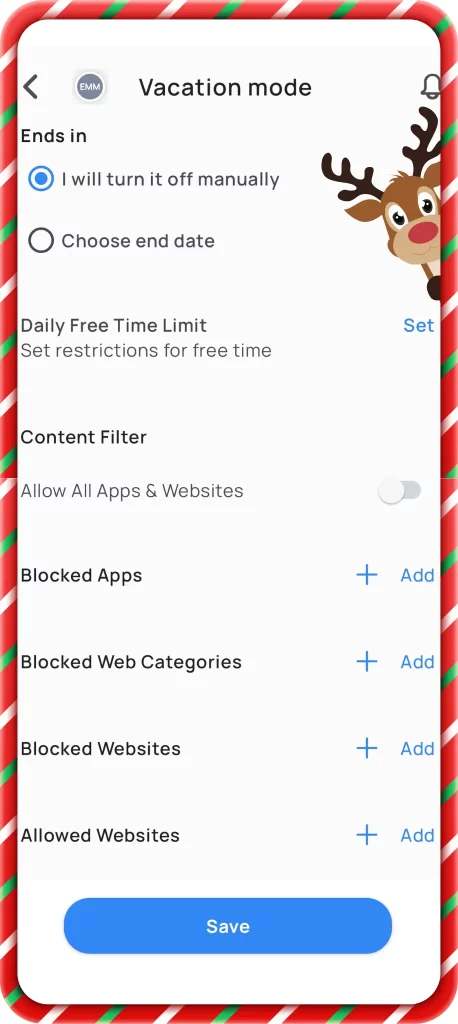
Parental control apps like Mobicip can act as a partner in digital parenting. Mobicip can help parents reduce anxiety triggers and foster healthier online habits.
Some features of Mobicip include:
- Screen time management
- App blocking
- Content filtering
- Activity reports
Useful information on various topics pertaining to online safety and social media can be found on Mobicip’s blog.
Conclusion
Social media isn’t inherently harmful. It is a tool that can be leveraged in constructive as well as destructive ways. If parents stay proactive, informed, and supportive, they can steer themselves and their wards towards the former. By practicing healthy digital habits using digital safety tools such as Mobicip, parents can build a comprehensive and balanced approach towards the Internet and social media that works for the entire family.