Shorter Attention Span Linked to More Screen Time
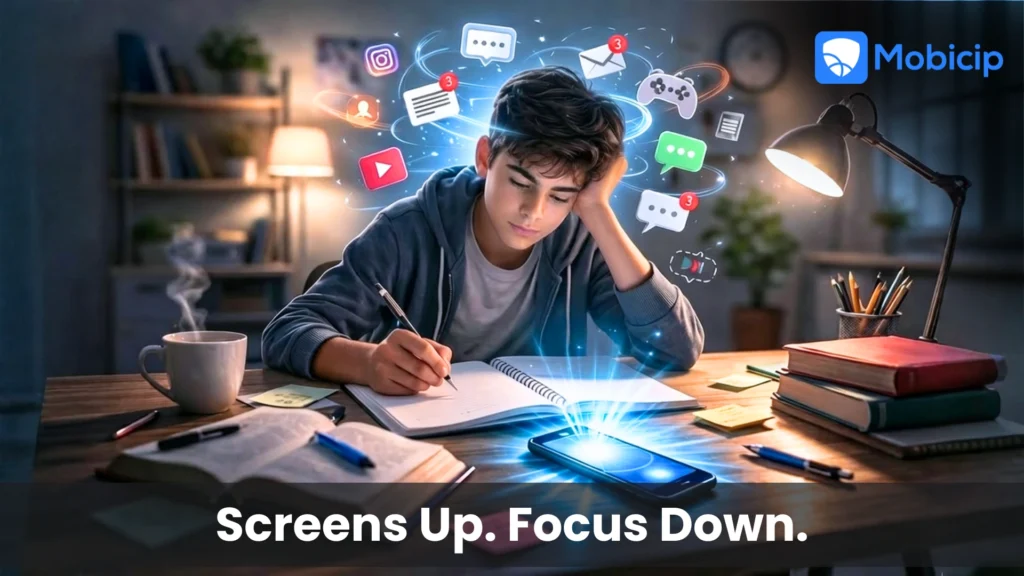
Excessive screen time is increasingly linked to a shorter attention span in children and teens. As screens take up more of a child’s day, concerns about their impact on focus are increasing. Short videos, constant notifications, and frequent app switching train the brain for brief attention bursts. Over time, this may weaken sustained concentration, making homework, reading, and even conversations harder to maintain.
In this post, we examine how excessive screen use contributes to shorter attention spans, including the science behind digital stimulation and multitasking. We also share practical strategies to help families reset tech habits and strengthen focus. Finally, we show how Mobicip is a supportive tool that can help parents manage screen time, reduce distractions, and encourage healthier digital routines.

How Screen Time Contributes to a Shorter Attention Span
As screen use becomes more frequent and immersive, it can gradually shape how the brain responds to stimulation and focus. Digital platforms are designed for speed, novelty, and constant engagement. While this keeps users interested, it may also train the brain to prefer quick rewards over sustained effort. Over time, this pattern can make deep concentration feel harder, especially for children and teens whose brains are still developing.
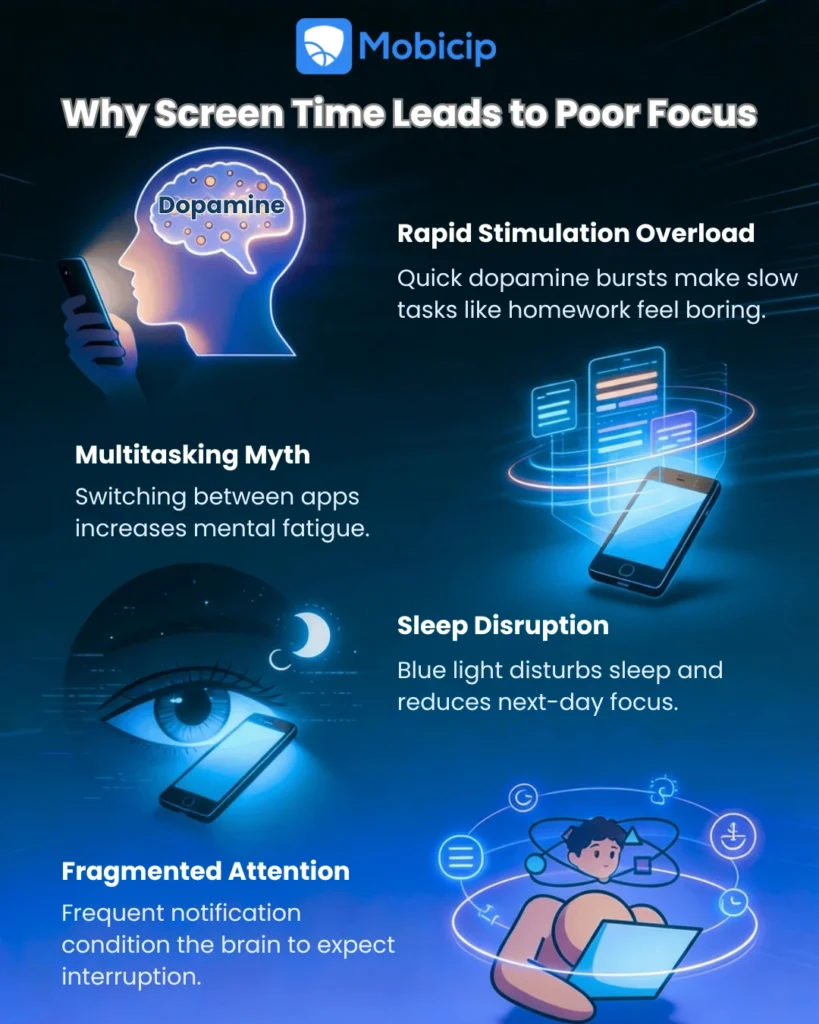
Dopamine Fix
Constant digital stimulation makes everyday tasks feel boring. Fast-paced content such as short videos and rapid scrolling delivers repeated dopamine spikes. When the brain becomes used to instant rewards, slower activities like homework or reading may feel less satisfying, reducing motivation to stay focused.
Multitasking Overload
Switching between apps drains mental energy and breaks focus. Each time a teen moves from studying to messaging or social media, the brain must readjust. Frequent task switching increases cognitive load, leading to mental fatigue and making it harder to maintain sustained attention.
Sleep Disruption
Blue light screen use reduces sleep and weakens concentration. Evening exposure to screens can delay melatonin release and interfere with sleep quality. Poor sleep often results in grogginess, slower thinking, and reduced ability to concentrate the next day.
Fragmented Attention
Frequent notifications condition the brain to expect interruption. Alerts, pings, and pop-ups repeatedly pull attention away from tasks. Over time, this constant interruption can make it difficult to engage in deep, uninterrupted focus.
Signs Your Child May Have a Shorter Attention Span
A shorter attention span does not always appear suddenly. It often shows up in small, everyday behaviors that gradually become more noticeable. While occasional distraction is normal, consistent difficulty sustaining focus may signal that screen habits are affecting your child’s ability to concentrate. Recognizing these signs early can help parents make timely adjustments to routines and screen use.
Difficulty Focusing on Tasks
Your child struggles to stay engaged with homework, reading, or even simple instructions without getting distracted. They may start tasks with interest but lose focus before finishing, especially when the work requires sustained effort.
Frequent activity switching as a sign of shorter attention span
They move quickly from one task to another, rarely completing an activity before starting something new.
Reduced Patience with Slower Activities
Activities that require steady effort, such as puzzles or long-form reading, may seem frustrating or boring.
Easily Distracted by Notifications
Even minor alerts or background device sounds immediately pull their attention away.
Trouble Completing Assignments
Restlessness During Screen-Free Time
Without access to devices, they appear unusually bored, irritable, or unable to settle into independent play or study.
Scientific Research on Screen Time and Shorter Attention Span
Growing research suggests that excessive screen exposure may influence attention, brain development, and long-term behavior in children. While digital devices are now central to education and communication, studies indicate that heavy use may shape how young brains process information and regulate focus.
Research linking digital media to a shorter attention span
Research by Dr. Gloria Mark at the University of California found that the average attention span of human beings dropped from about 150 seconds in 2004 to 75 seconds in 2012, and more recent data suggests it has fallen further to around 47 seconds. This sharp decline reflects not just increased screen time, but a shift in how information is produced and consumed. Constant notifications, short-form videos, and infinite scrolling create a fast-paced digital environment that encourages rapid attention shifts rather than sustained focus.
Brain Development and Overstimulation
A study reported in JAMA Pediatrics showed that excessive screen time in preschoolers was associated with lower structural integrity in white matter tracts, which support language and literacy skills. Research from the National Institutes of Health also found that children with more than seven hours of daily screen time showed premature thinning of the cortex, an area linked to reasoning and critical thinking. High levels of digital stimulation may overstimulate the brain’s reward system, increasing preference for immediate gratification.
Long-Term Behavioral Impact
A large meta-analysis published in Psychological Bulletin reviewed 117 studies involving over 292,000 children. Researchers found that greater screen use was linked to higher risks of anxiety, depression, aggression, and hyperactivity. Importantly, the relationship was bidirectional: children with emotional difficulties were also more likely to turn to screens for coping. These findings suggest that screen habits and behavioral health may influence each other over time.
How Parents Can Reduce Shorter Attention Span Caused by Screens
While screens are part of modern life, small, consistent changes at home can help rebuild focus and strengthen attention. The goal is not to eliminate technology, but to create balanced habits that support healthy brain development and sustained concentration.
Setting Healthy Screen Time Limits
Establish clear daily limits for entertainment-based screen use. Predictable boundaries help children understand when it is time to focus on homework, family time, or rest.
Encouraging Creative Play and Normalizing Boredom
Allow unstructured time without devices. Boredom can spark imagination, problem-solving, and deeper engagement in creative activities.
Creating Tech-Free Routines
Designate device-free times, such as during meals and before bedtime. This reduces constant stimulation and supports better sleep and focus.
Using Parental Control Software
Tools like Mobicip help parents manage screen time, filter distracting apps, and create structured digital routines that promote healthier attention habits.
How Mobicip Helps Prevent Screen Time-Induced Shorter Attention Span
Managing screen habits can feel overwhelming, especially when devices are essential for school, communication, and entertainment. Instead of constant monitoring, parents need structured tools that reduce distractions and encourage healthier digital routines. Mobicip offers practical features that directly support stronger focus and balanced screen use.
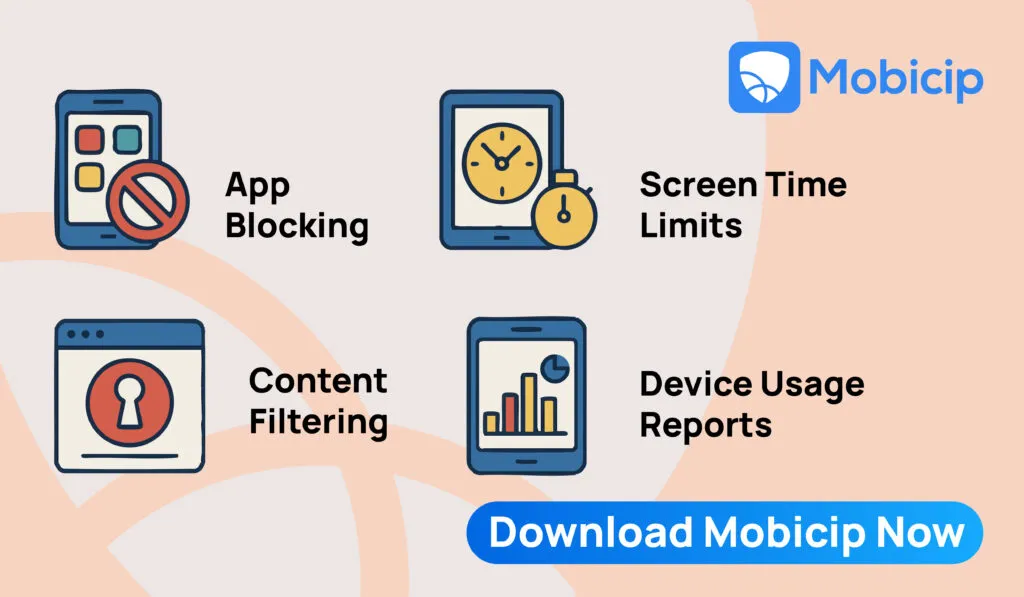
- App Blocking: Distracting apps such as social media and gaming platforms can be restricted during study hours, reducing multitasking and fragmented attention.
- Screen Time Scheduling: Parents can set daily limits and create custom schedules. This prevents excessive use and ensures dedicated time for homework, sleep, and offline activities.
- Content Filtering: Inappropriate or highly addictive content can be filtered, limiting exposure to fast-paced, overstimulating media.
- Activity Monitoring: Parents can view usage reports to identify patterns and gently guide healthier screen habits.
By creating structure rather than conflict, Mobicip helps families build digital discipline that supports sustained attention and better learning outcomes.
Balancing Technology Use Without Causing a Shorter Attention Span
Technology does not automatically lead to a shorter attention span. The impact often depends on how devices are used, what type of content is consumed, and whether healthy boundaries are in place. By shifting from passive consumption to intentional use, families can support learning and focus rather than distraction.
Educational vs. Passive Content
Not all screen time is equal. Interactive and educational content that encourages thinking, creativity, or skill-building tends to engage the brain more meaningfully than passive scrolling or excessive-watching. Choosing purposeful content can reduce overstimulation and support sustained attention.
Co-Viewing and Guided Media Use
When parents watch or explore digital content with their children, they can ask questions, encourage reflection, and connect online experiences to real life. This shared approach promotes critical thinking instead of mindless consumption.
Digital Well-being Habits for Families
Simple habits such as device-free meals, screen curfews, and scheduled offline activities help create balance. Consistent routines allow children to enjoy technology without letting it erode their ability to focus.
FAQ
Does too much screen time really cause a shorter attention span?
Research suggests that excessive screen time can contribute to shorter attention spans, especially when it involves rapid, high-stimulation content. Constant notifications, multitasking, and short-form media may train the brain to expect frequent rewards, making sustained focus more difficult over time.
Does screen time affect memory as well as focus?
Poor sleep, multitasking, and constant interruption can interfere with how information is processed and stored. This may affect both short-term memory and learning efficiency.
How much screen time is considered too much for kids and teens?
Guidelines vary by age, but many experts recommend limiting recreational screen time to about one to two hours per day for school-aged children. The quality of content and consistency of routines often matter as much as total screen hours.
Can reducing screen time improve attention span?
Yes. Gradually reducing distractions, creating tech-free periods, and encouraging offline activities can help retrain the brain to tolerate slower, deeper focus. Improvements may take time, but consistent habits can strengthen concentration.
Are parental control apps helpful for improving focus?
Parental control tools like Mobicip can support healthier habits by limiting distractions, setting schedules, and blocking high-interruption apps during study time. When combined with open communication, they can promote better concentration and digital balance.